
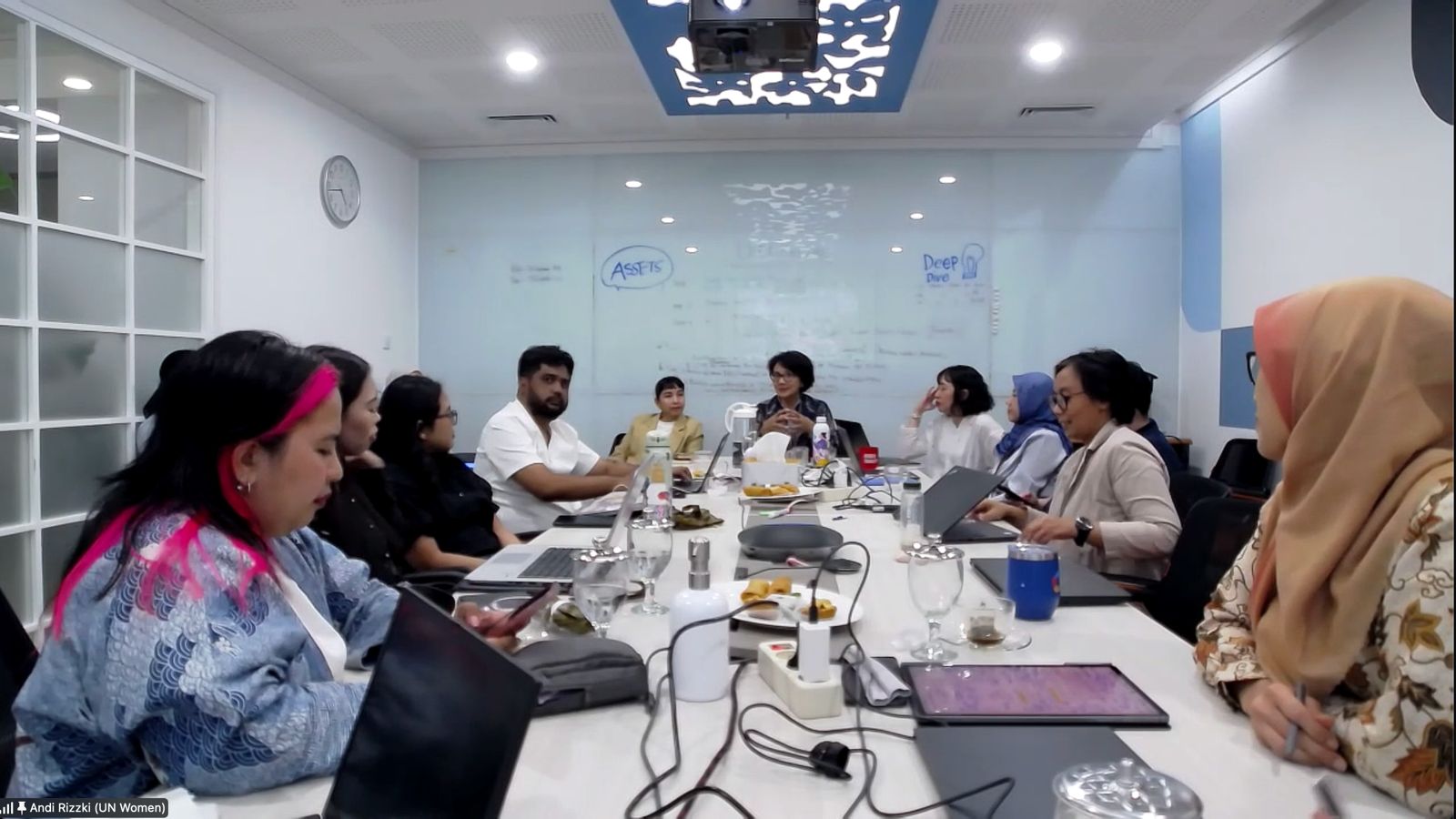
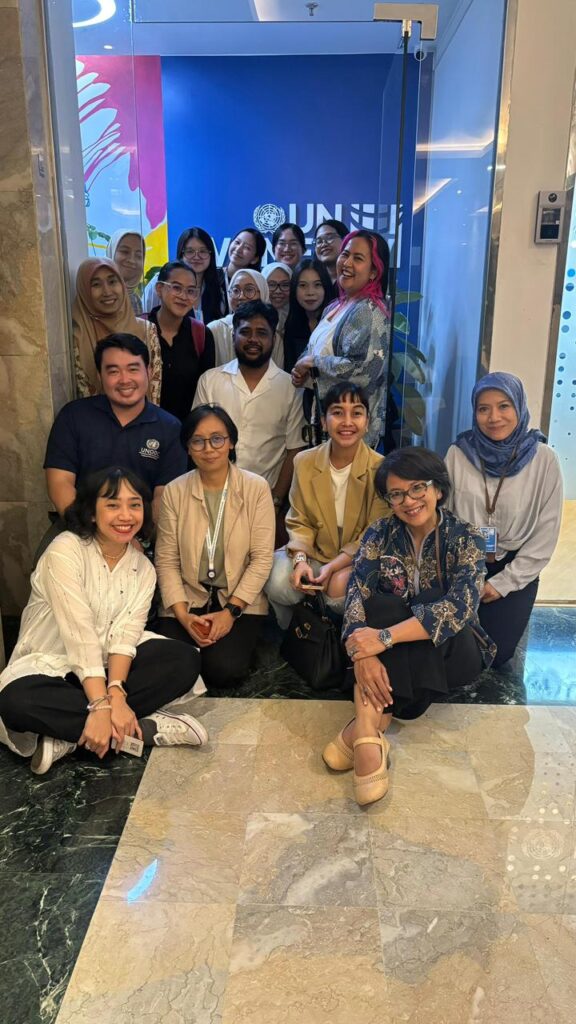
Today, I had the incredible honor of joining UN Women Indonesia as an expert panelist for their “Expert Group Discussion on Artificial Intelligence”. The energy at the UN Women office in Jakarta was palpable—a gathering of tech minds and gender advocates all focused on one critical question: how do we ensure the digital future doesn’t leave half the population behind?. As we sat down to discuss “Applied AI and Digital Literacy,” it felt less like a formal meeting and more like a necessary mission to bridge the gap between rapid innovation and social justice.
During the session, I highlighted the rise of technomasculinity in AI development. In practice, the evolution of AI is heavily masculine and carries a deep-seated gender bias. One of the biggest hurdles is the “ideology without fences”—the dangerous idea that innovation should never be restricted, even when systems are built on biased data. We also see “inclusivity without limits,” where the push for anyone to use anything leads to data that mirrors the worst of human habits rather than our best values. To top it off, global platforms often wash their hands of responsibility, leaving the risks entirely on the shoulders of the users.
The real-world impacts of these trends are already hitting home. We are facing a kind of “Digital Anarchy” through synthetic pornography and a total breakdown in our trust in reality—the old “seeing is believing” mantra no longer applies. Perhaps most concerning is the wave of job losses in creative sectors like copywriting and graphic design—fields where women are highly represented. Between data monopolies and the rise of digital scammers, the stakes for gender equality in the tech age have never been higher.
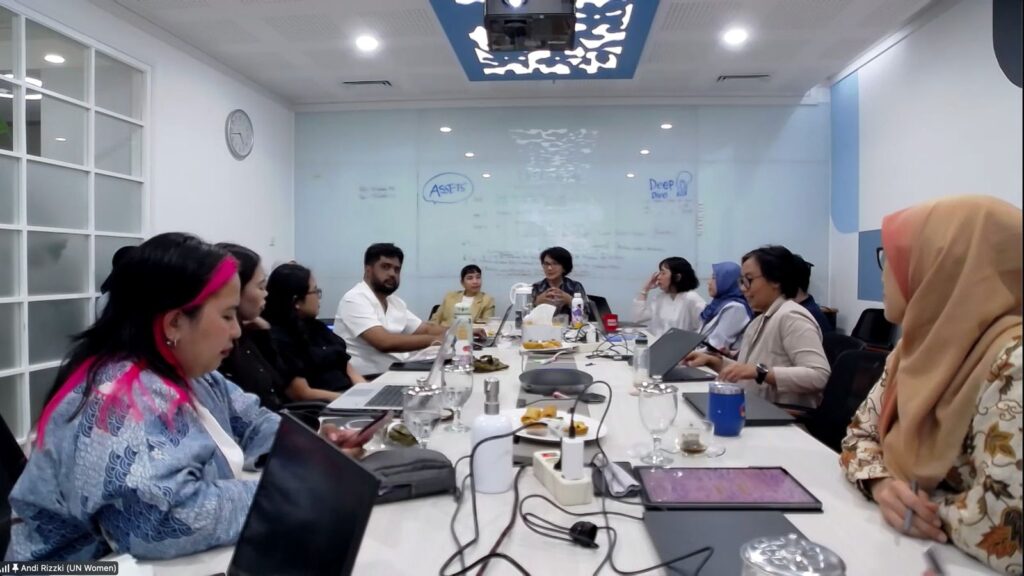
What made this session stand out was the move beyond theory into real-world application. We explored how UN Women can integrate gender-responsive AI into their core mandates, from ending violence against women to advancing economic empowerment. It’s about more than just “using” a new tool; it’s about building a scalable pipeline of women-centered AI solutions that work within the Indonesian context. I left the Menara Thamrin building feeling optimistic; when we demystify AI, we aren’t just reacting to the future—we’re designing a fairer one.
Leave a Reply