
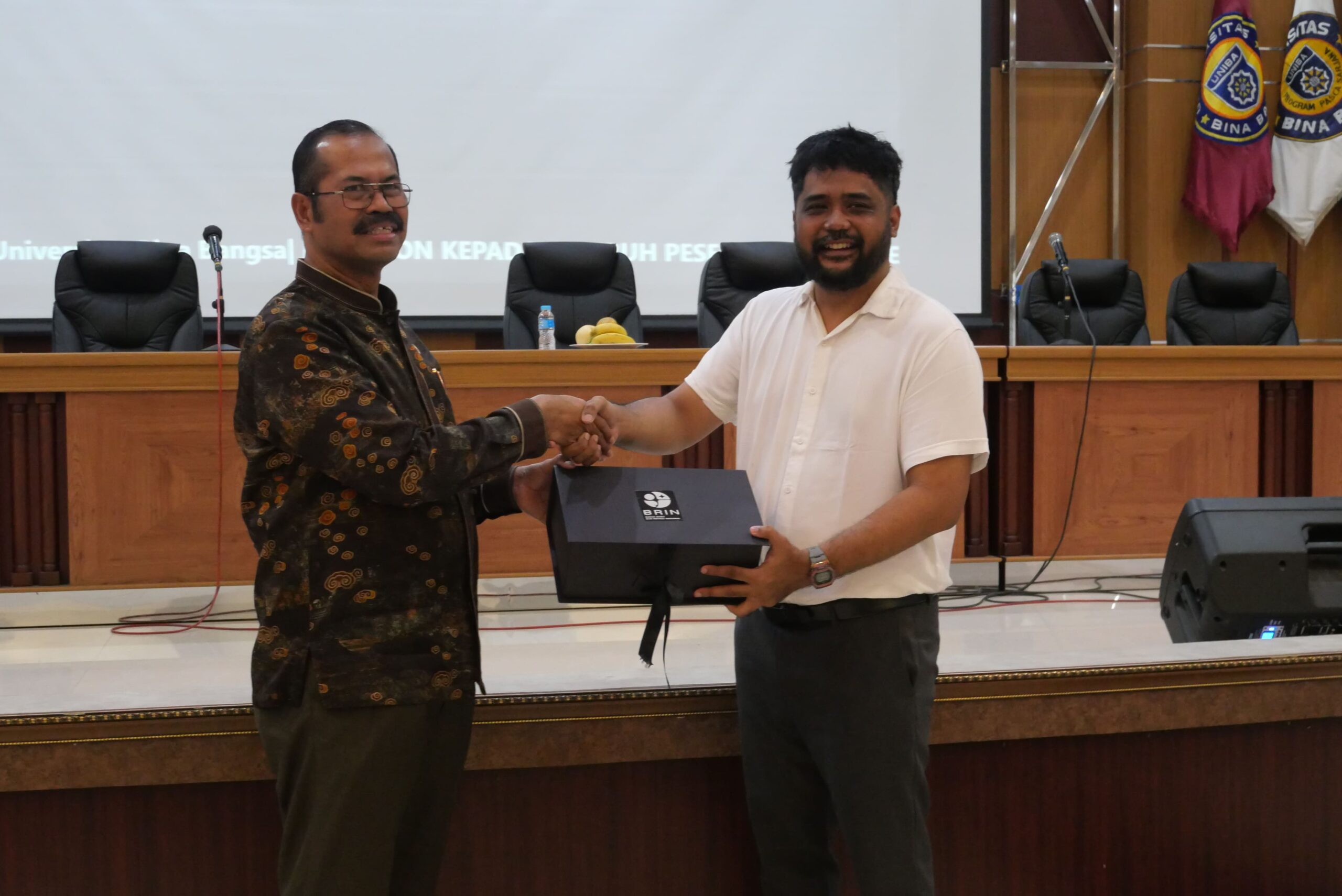
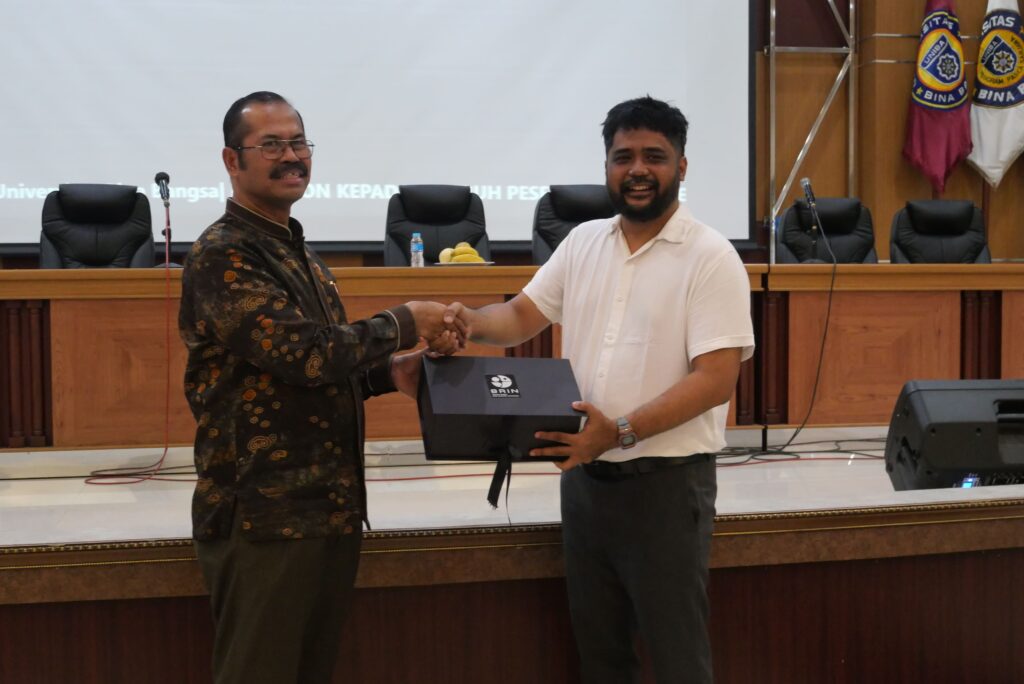
On Saturday, April 25, 2026, I had the wonderful opportunity to visit Campus A of Universitas Bina Bangsa (UNIBA) in Serang City to serve as a speaker for a Technical Guidance (Bimtek) session. This event was part of the Capacity Building for Research and Innovation Users (PKPRIM) program, a collaborative initiative between Commission X of the House of Representatives (DPR RI) and the National Research and Innovation Agency (BRIN). It was an honor to share the stage with Prof. Dr. Ir. H. Furtasan Ali Yusuf, a member of Commission X DPR RI, who delivered an inspiring keynote speech emphasizing the critical role of research in driving national progress.
Bimtek Penulisan Karya Tulis Ilmiah by Maulana
My presentation focused on the fundamental strategies for crafting high-quality scientific papers capable of meeting international standards. I introduced the participants, who were largely postgraduate students, to the IMRaD (Introduction, Methods, Results, and Discussion) structure. I emphasized that a strong paper is built on a solid foundation, starting with an “Introduction” that follows the funnel model—moving from a broad global context down to a specific research gap. By identifying a clear gap in existing literature, researchers can better articulate the unique contribution and novelty of their work.
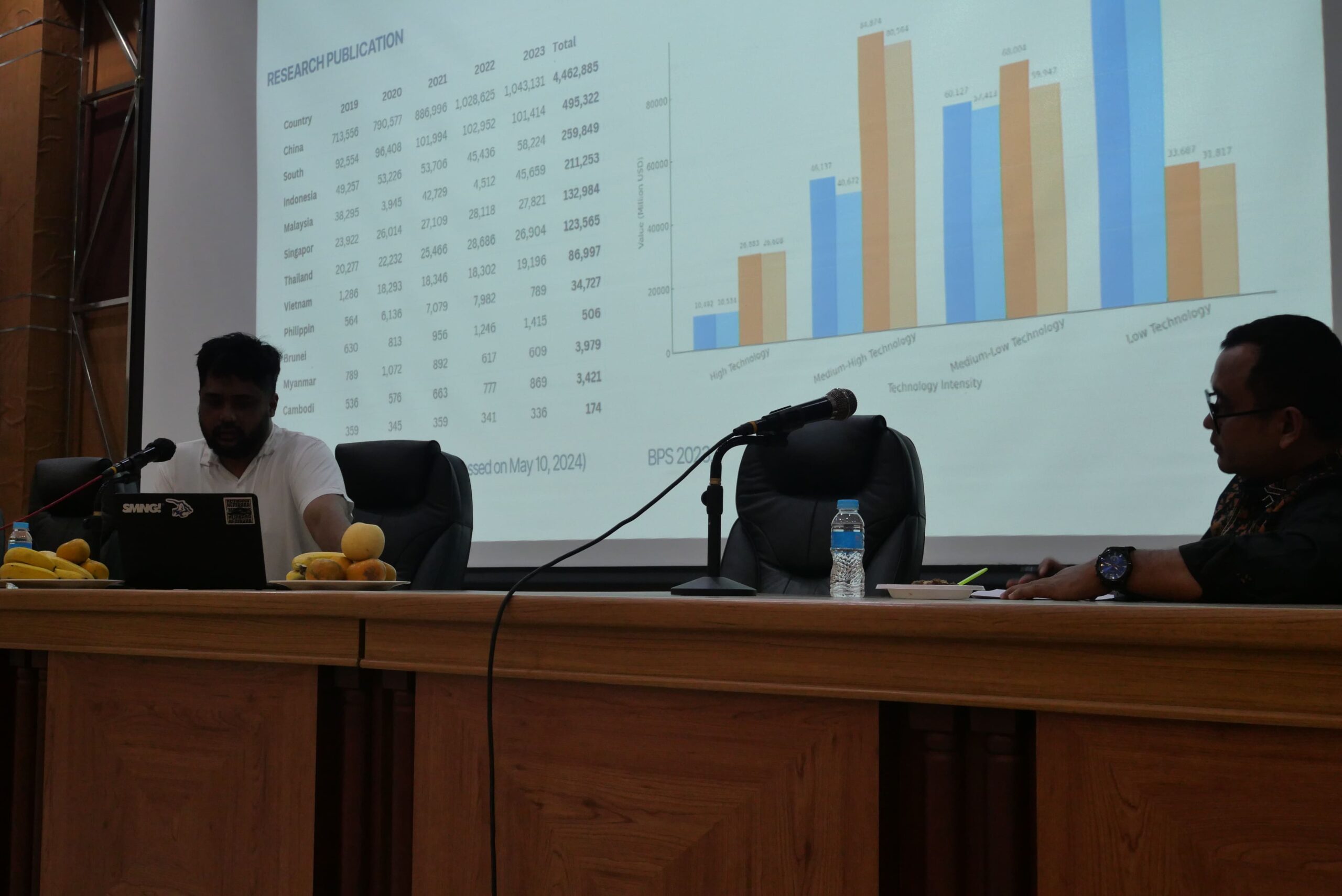
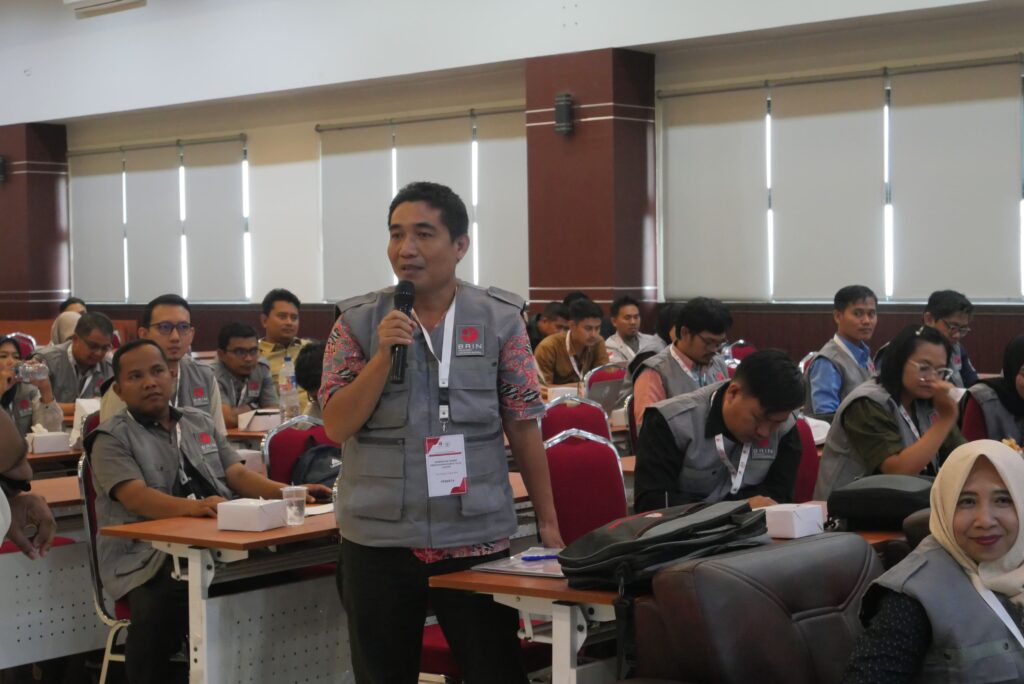
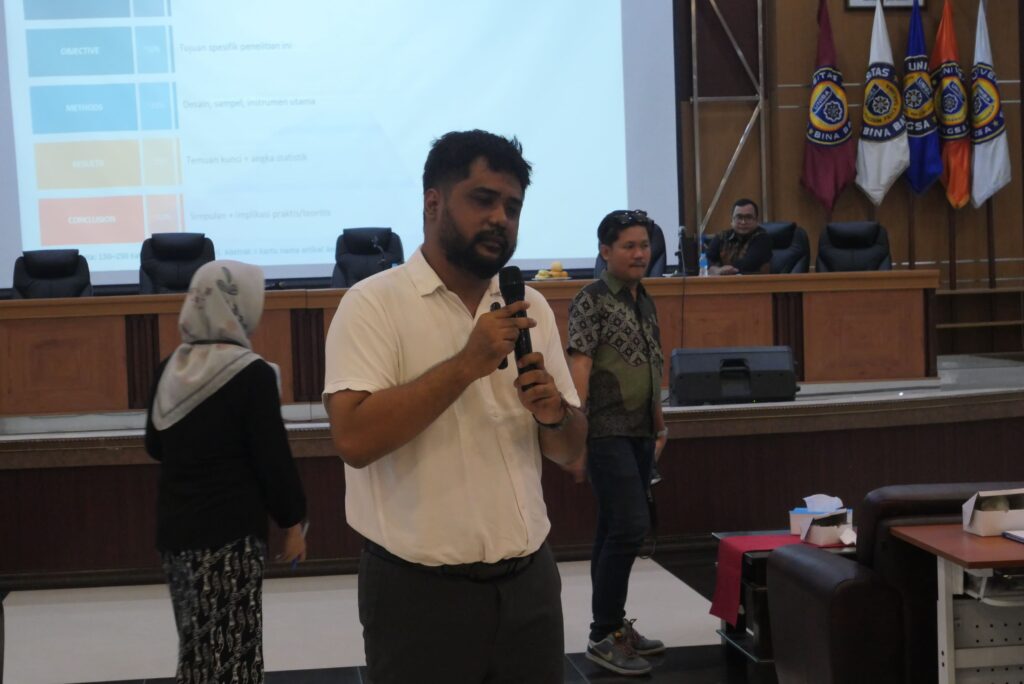
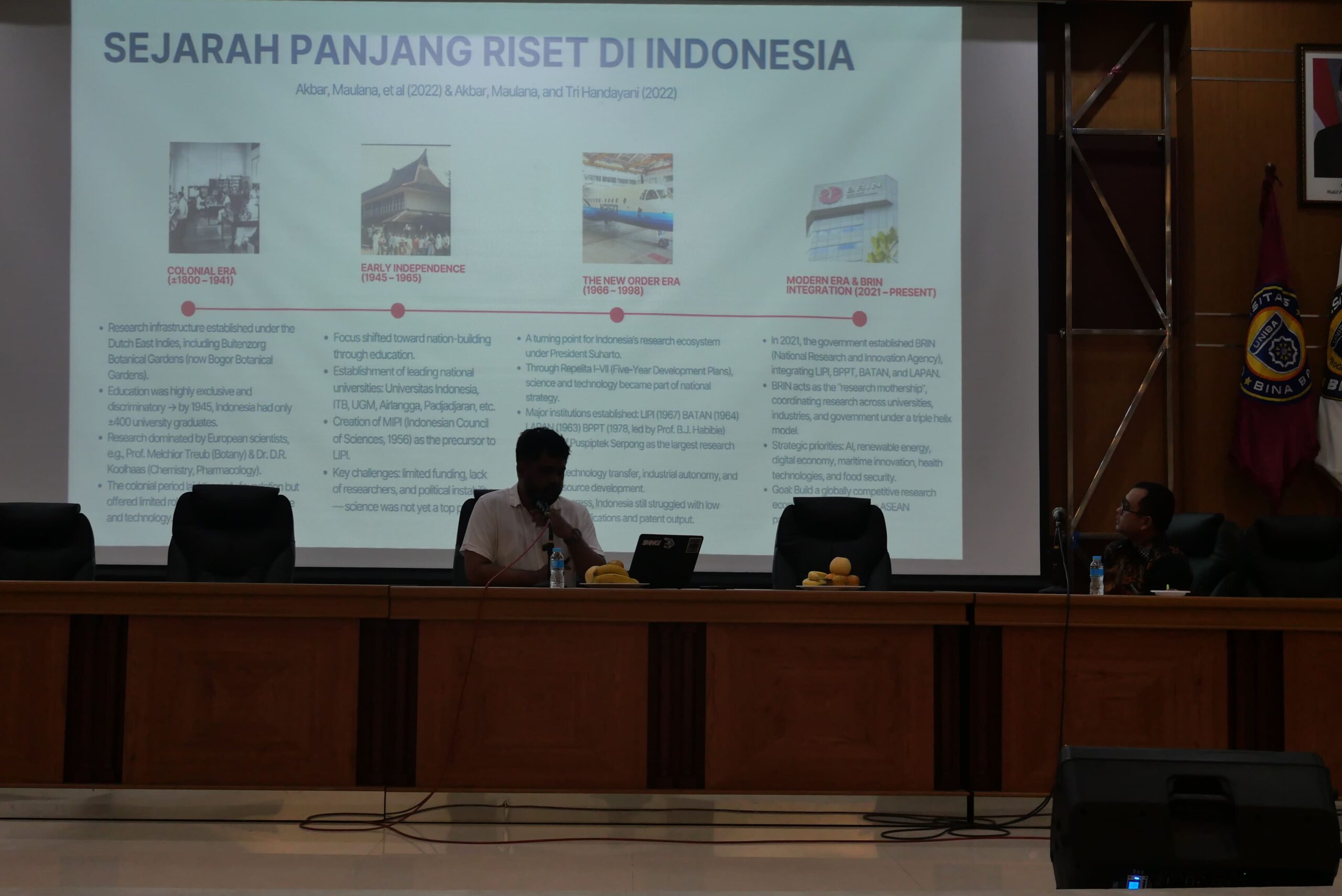
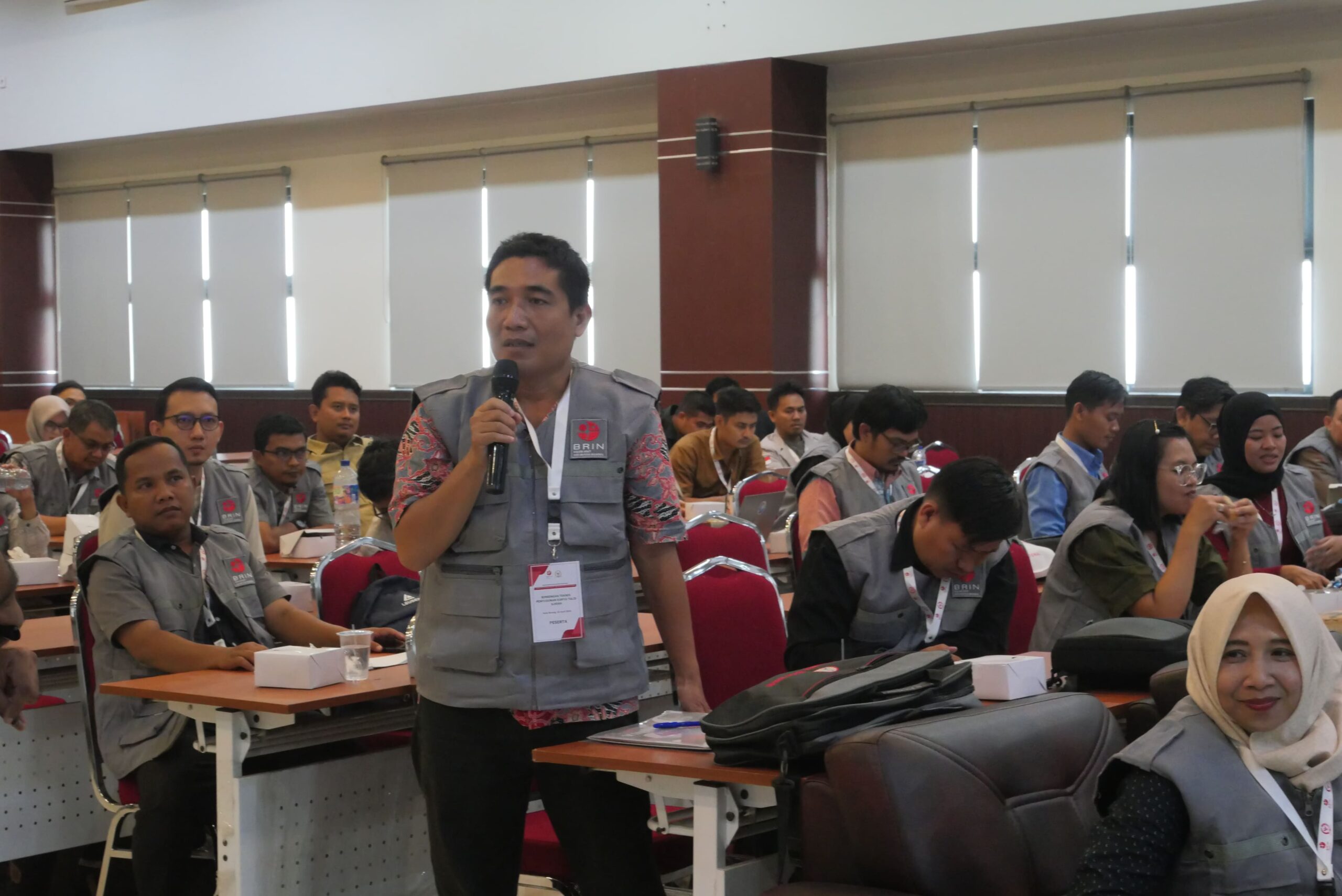
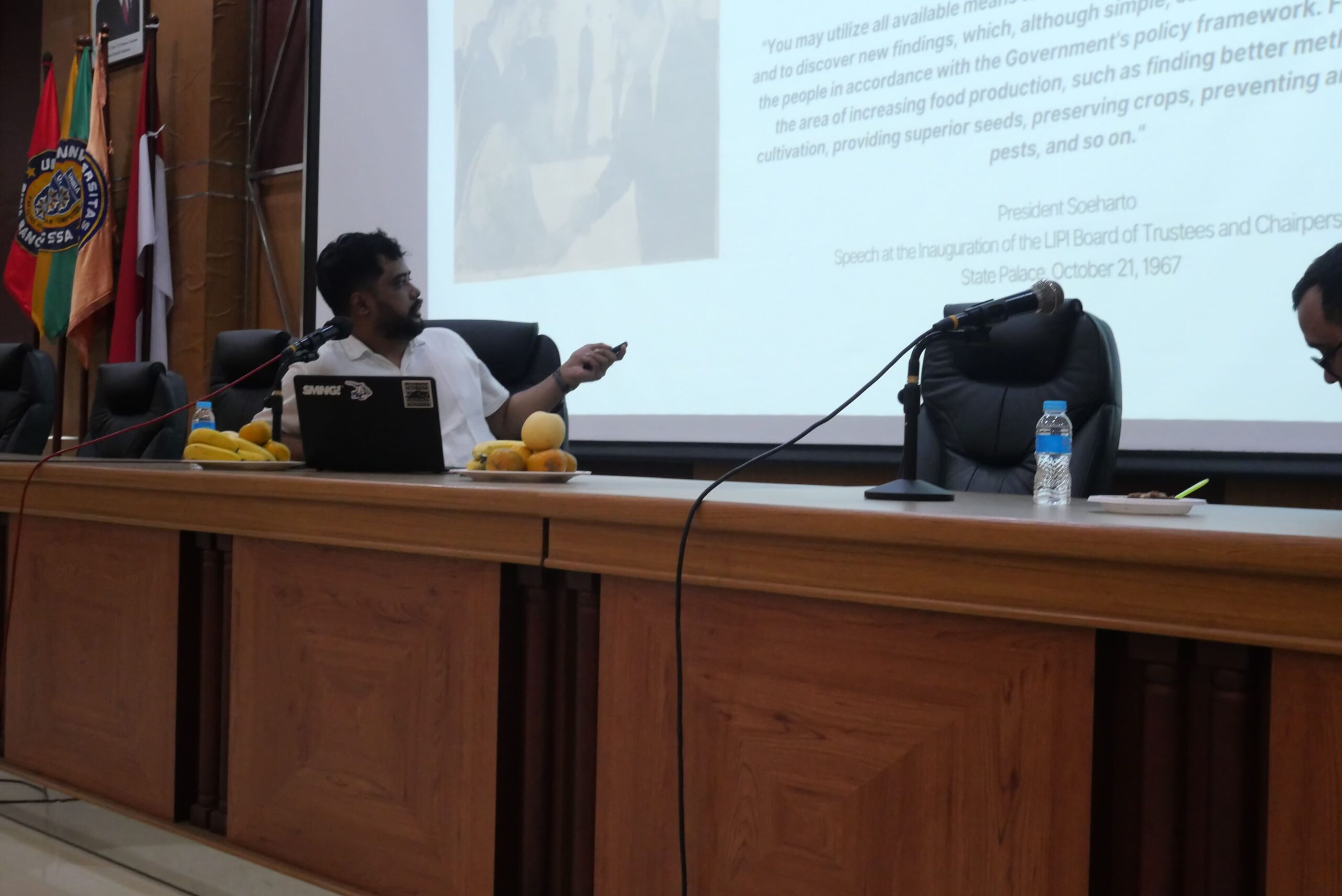
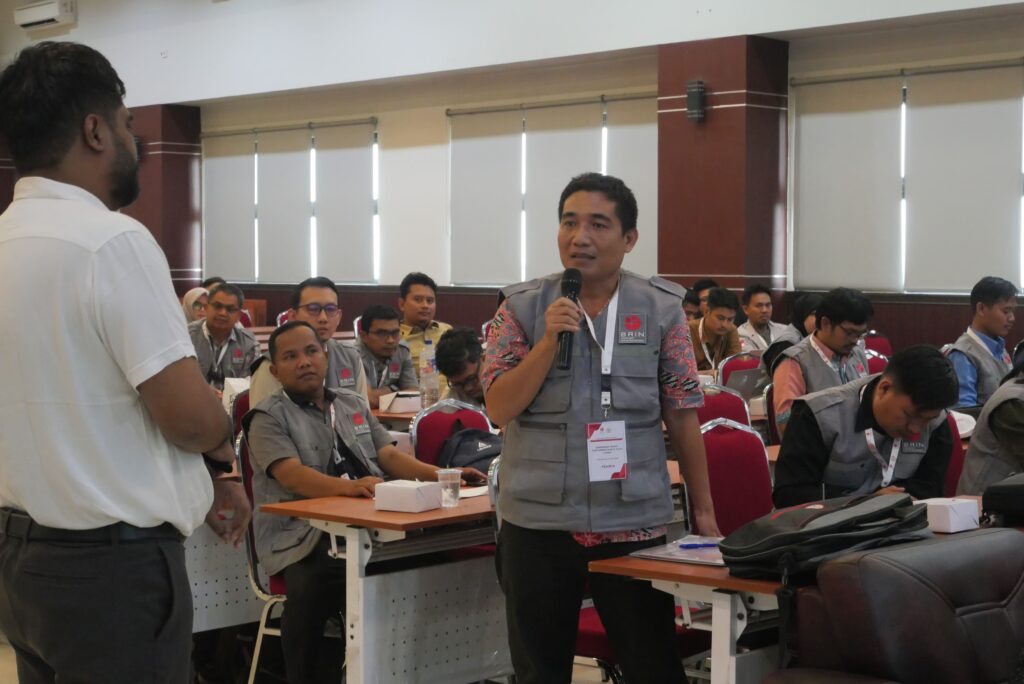
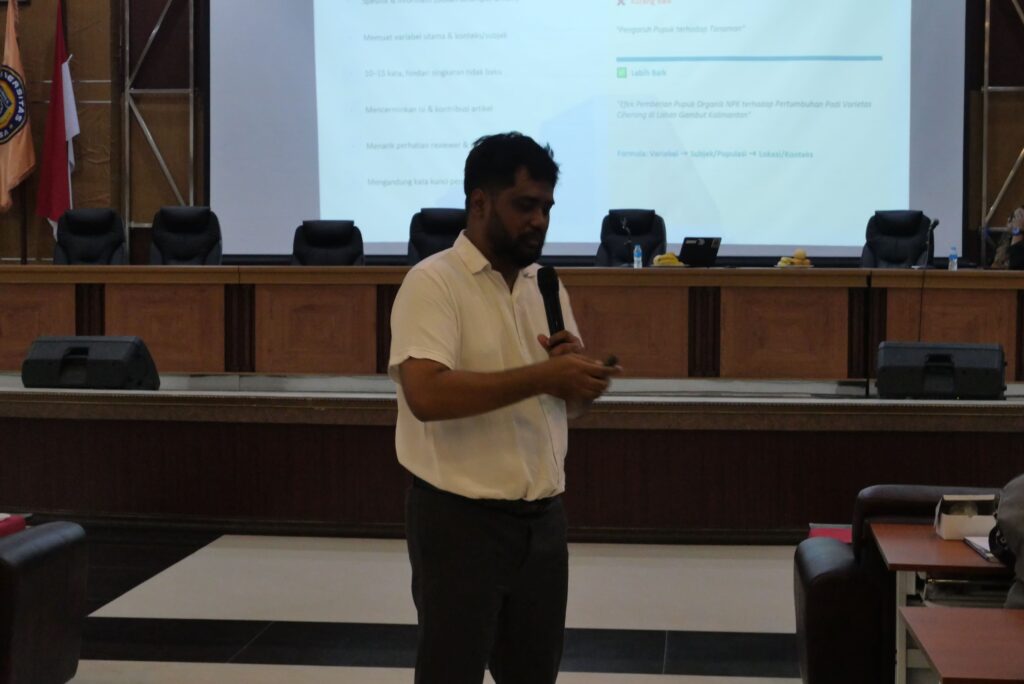
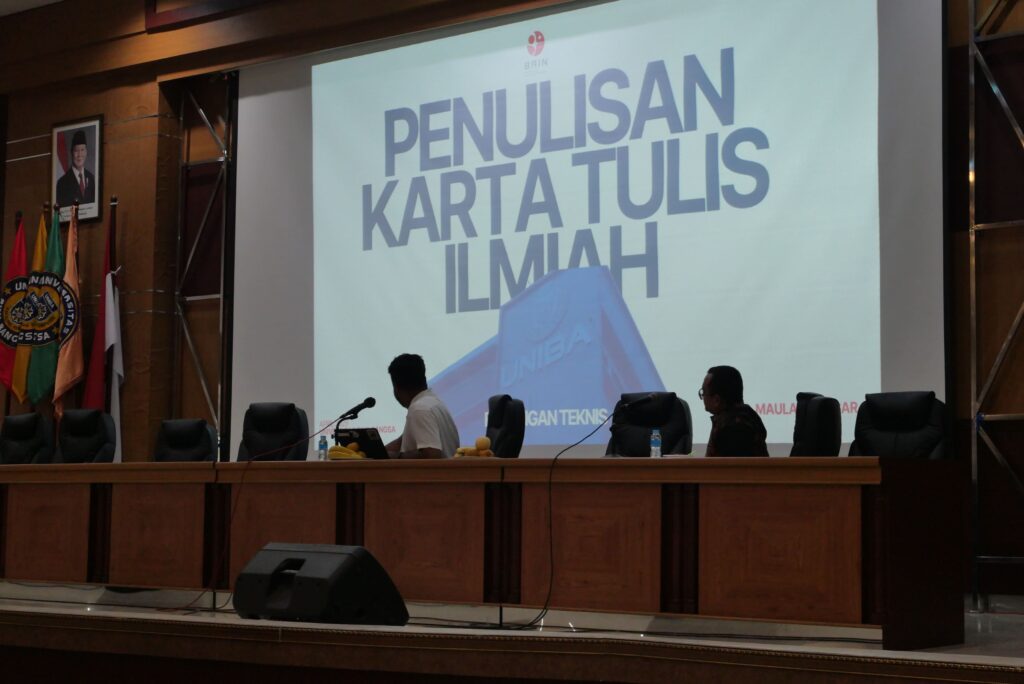
Beyond the structure, we delved into the practicalities of technical writing, such as crafting effective and informative titles. I shared tips on how to select target journals that align with the scope of their research to increase the likelihood of acceptance. During the 180-minute session, we also discussed the importance of methodology; I stressed that the “Methods” section must be detailed enough to allow for replicability, ensuring the transparency and scientific integrity of the study. A well-presented “Results” section, supported by meaningful tables and figures, is equally vital to guide the reader through the data without premature interpretation.
One of the most engaging parts of the discussion was the ethical integration of Artificial Intelligence in academic writing. I highlighted that while AI is a powerful tool for brainstorming or refining language, it must be used with high accountability. We explored the “three pillars” of AI usage in research: Transparency, Accountability, and Integrity. I reminded the students that AI should never be listed as a co-author and that the human researcher remains solely responsible for the intellectual content and accuracy of the published work.
To conclude the session, I encouraged the students to adopt a sustainable writing habit rather than relying on sporadic, high-pressure writing marathons. Using the “12-Week Roadmap” philosophy, I suggested that dedicating just 15 to 30 minutes a day to writing can lead to more consistent and higher-quality outputs. Seeing the enthusiasm and curiosity of the postgraduate students at UNIBA gave me great optimism for the future of the Indonesian research ecosystem. It is through these shared learning experiences that we can collectively elevate the quality of our national scientific contributions on the global stage.
Leave a Reply