
On March 2, 2026, I had the privilege of moderating a high-level Focus Group Discussion (FGD) at the Mövenpick Hotel, Jakarta, centered on one of the most critical aspects of our digital creative industry: the Indonesia Game Rating System (IGRS). This session was specifically designed to evaluate and gather deep insights regarding the categorization of game content as regulated in Articles 8 through 13 of Ministerial Regulation (PM) No. 2 of 2024. As the gaming landscape shifts toward global digital platforms and complex monetization models like loot boxes and live-service games, ensuring our rating system remains relevant is a paramount challenge.




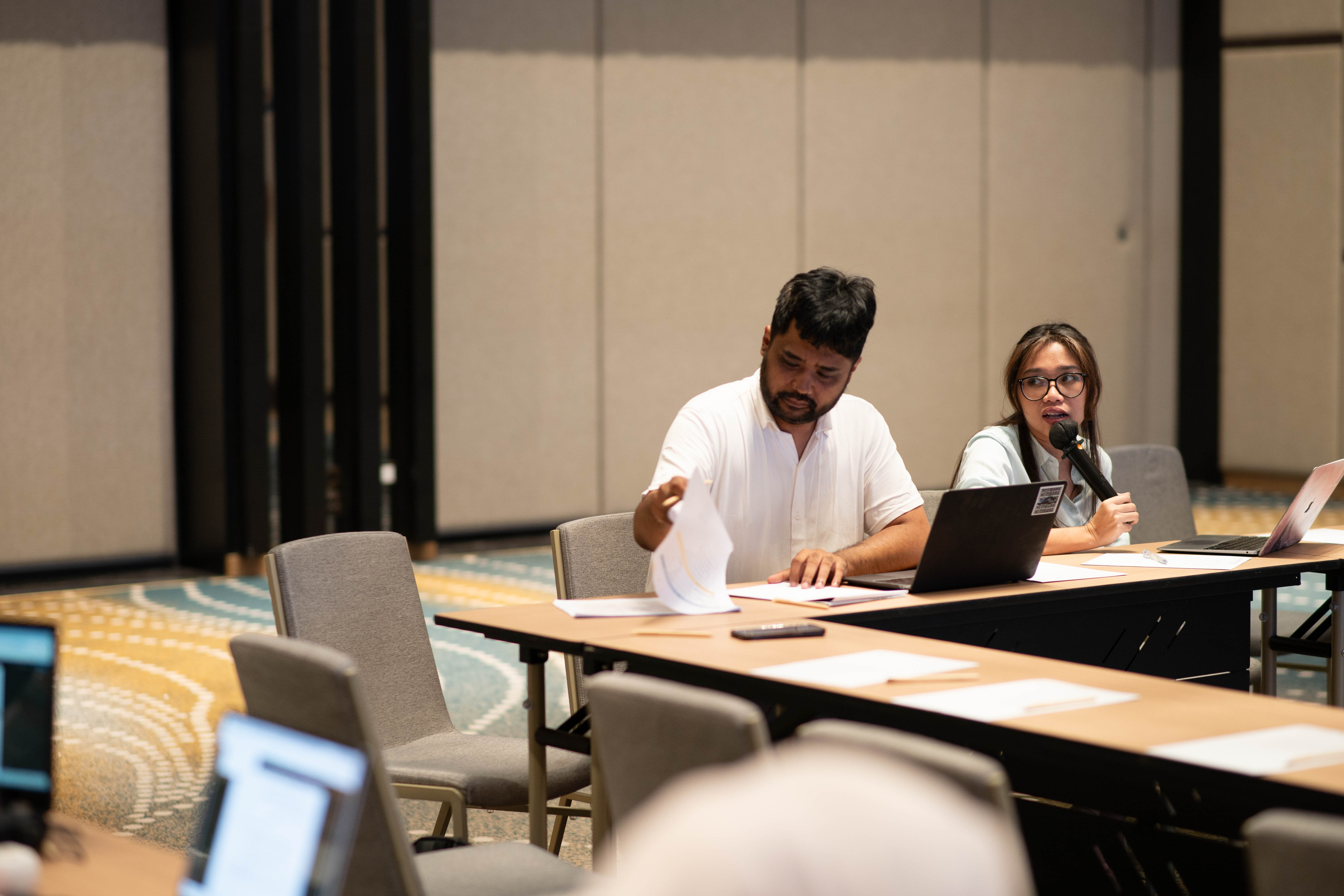
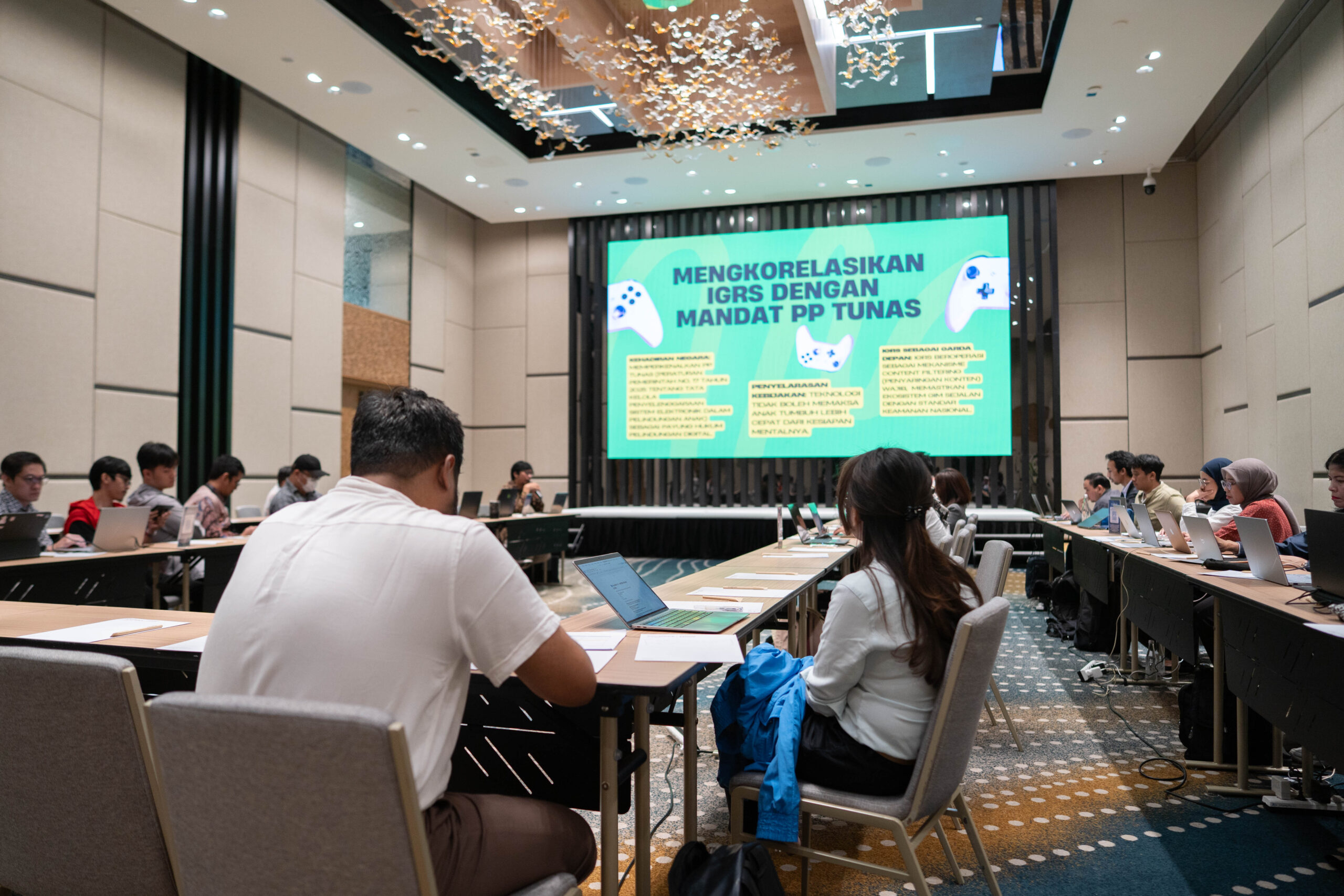

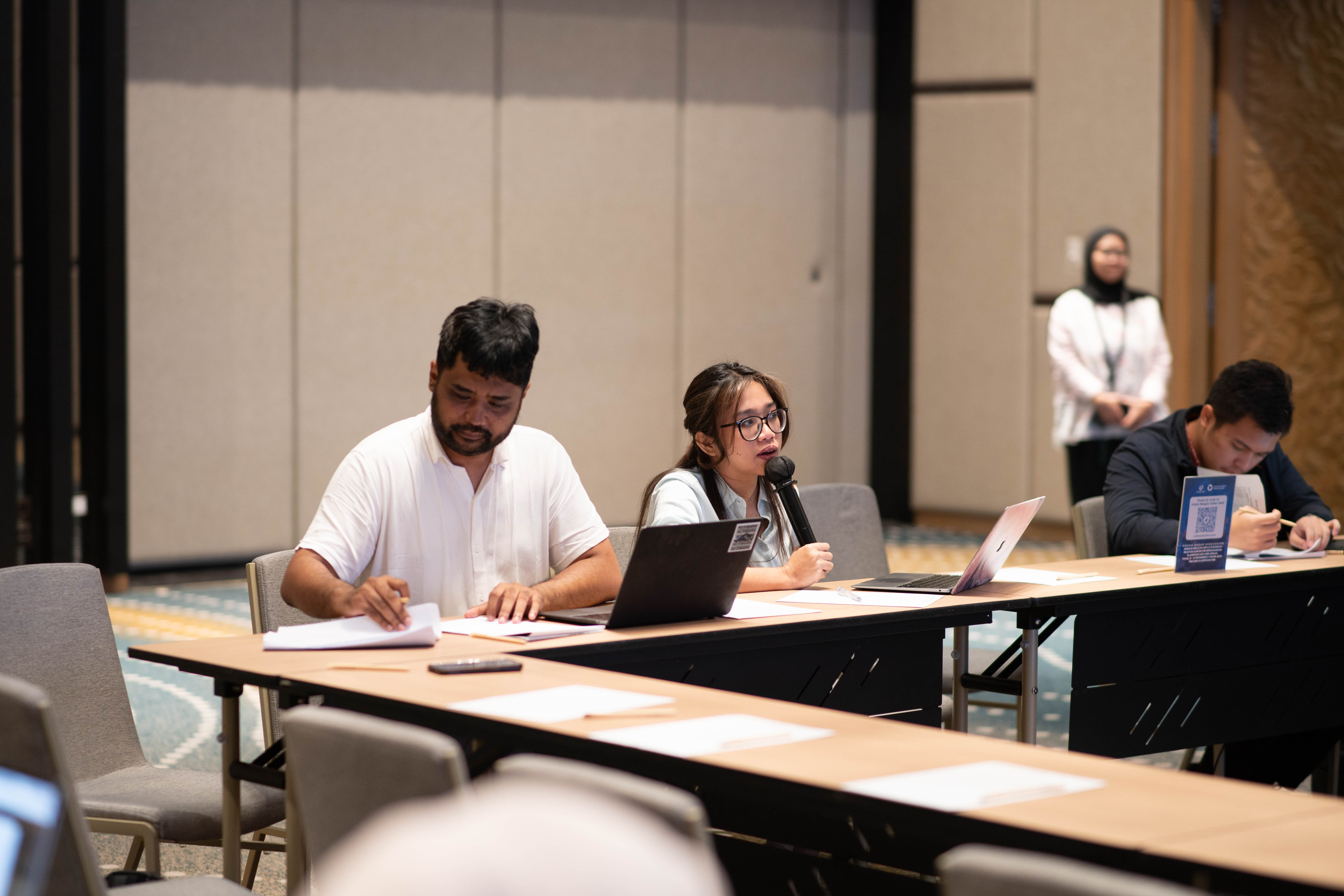

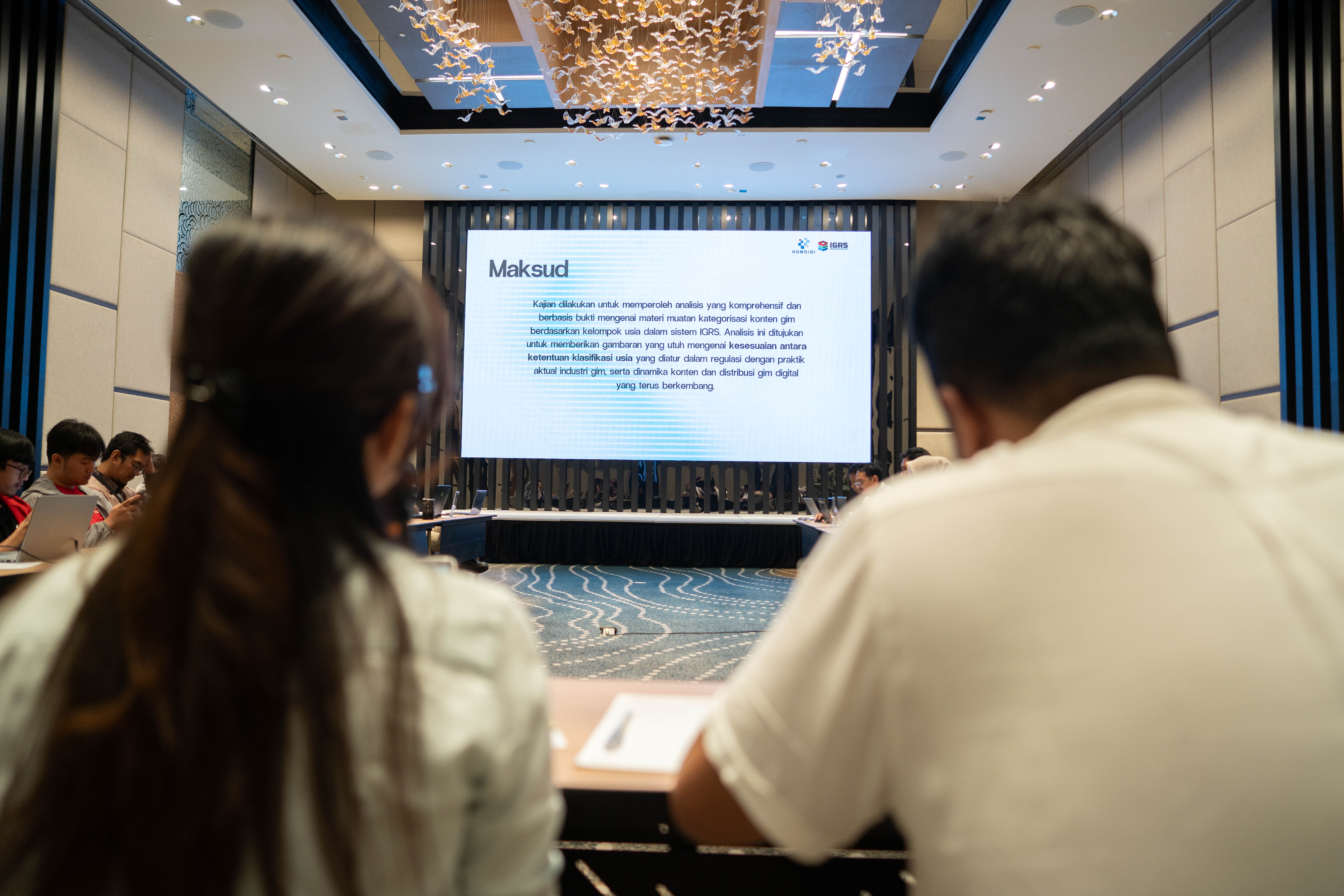
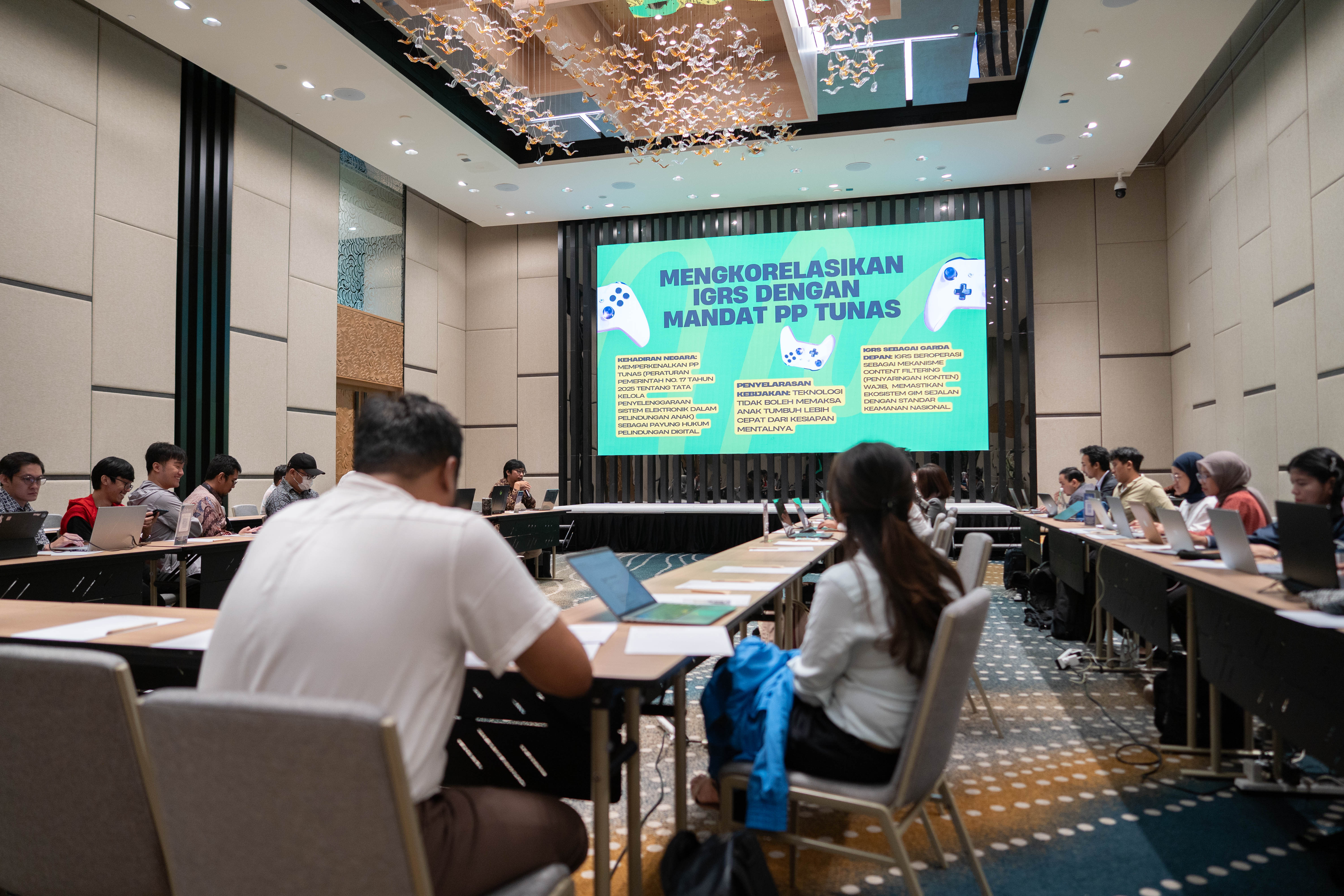
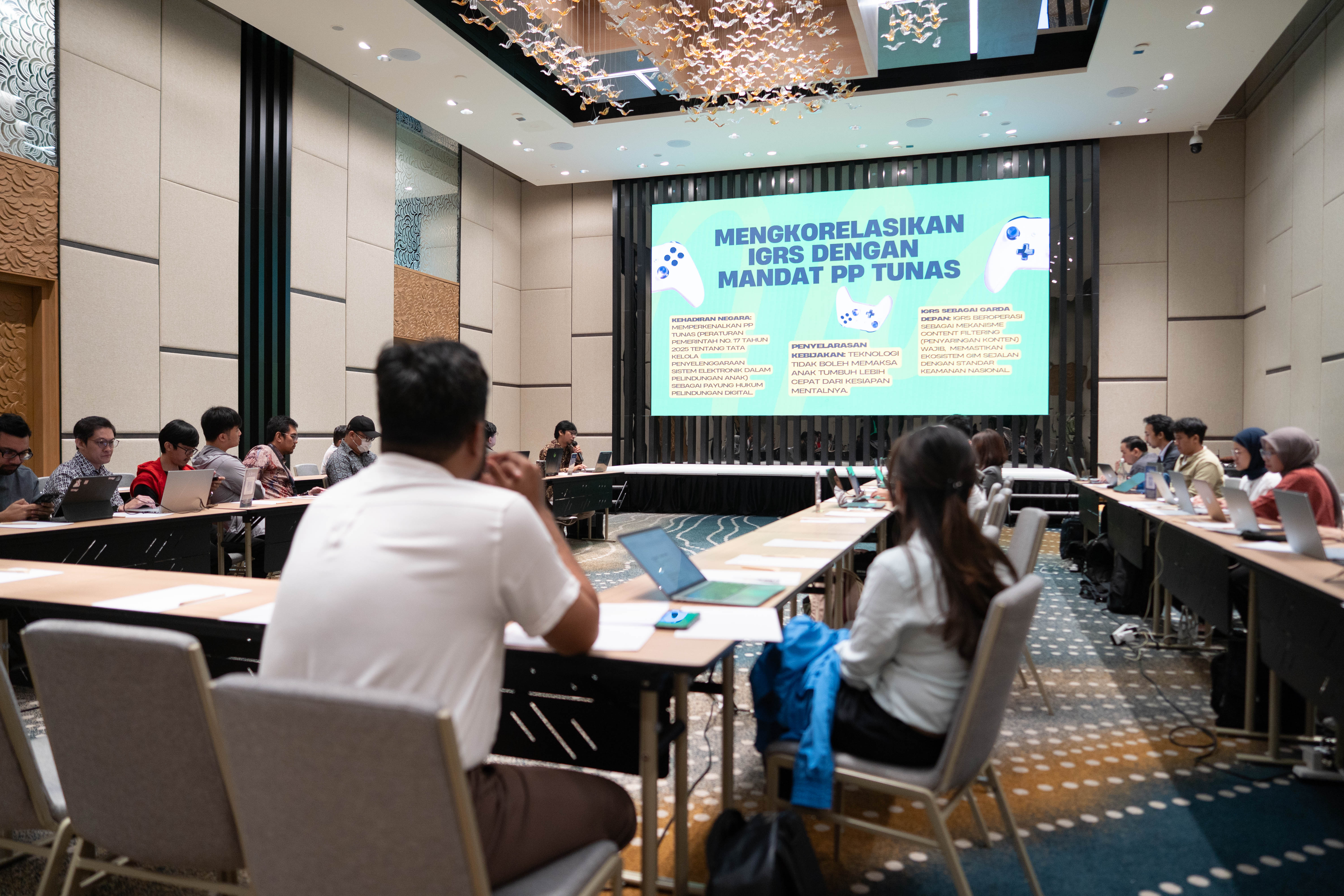
As the moderator, my goal was to bridge the perspective of the Ministry of Communication and Digital (Komdigi) with the practical realities faced by the Indonesian Game Association (AGI) and local industry players. We dove deep into the nuances of content classification—ranging from visual violence and language use to systemic risks such as addictive game design and online social pressures. The discussion was not just about labels; it was about building a protective yet proportional framework that safeguards the public, especially children, without stifling the growth of our innovative local developers.
To ensure a robust and scientifically sound evaluation, I integrated the Analytical Hierarchy Process (AHP) method into our data collection process. By utilizing AHP, we were able to systematically weigh various indicators—such as the severity of violence, sexual content, and monetization complexity—to determine their relative importance in defining age ratings. This mathematical approach allows us to transform qualitative expert opinions into a structured hierarchy of priorities, providing Komdigi with a more objective basis for potential policy revisions.
The FGD was structured into four intensive sessions, covering the logic behind industry self-rating, risk construction in game design, and the dynamics of digital interactions. One of the key highlights was the discussion on “borderline” content—those grey areas between the 13+, 15+, and 18+ categories that often pose the greatest challenges for consistent implementation. By facilitating this dialogue, I aimed to uncover the practical hurdles publishers face when aligning with both local regulations and global industry standards.
Closing the day at 5:30 PM, the synthesis of findings from this FGD will serve as a cornerstone for a comprehensive study aimed at refining PM 2/2024. It is heartening to see such a strong collaborative spirit between the government and the industry. For me, as a researcher, being able to apply rigorous methodologies like AHP to real-world policy-making is incredibly rewarding. We are one step closer to a more adaptive and fair regulatory environment that will empower Indonesia’s gaming sector to thrive globally.
Leave a Reply